Learning Dynamics of Workplace Development Programmes
This recent study, by Agneta Halvarsson Lundkvist, Linköping University, adds fresh insights to Workplace Development Programmes in Sweden.
This recent study, by Agneta Halvarsson Lundkvist, Linköping University, adds fresh insights to Workplace Development Programmes in Sweden.

Leading thinkers in human resource management argue that managers can create the organisational conditions to get the best performance out of their employees.
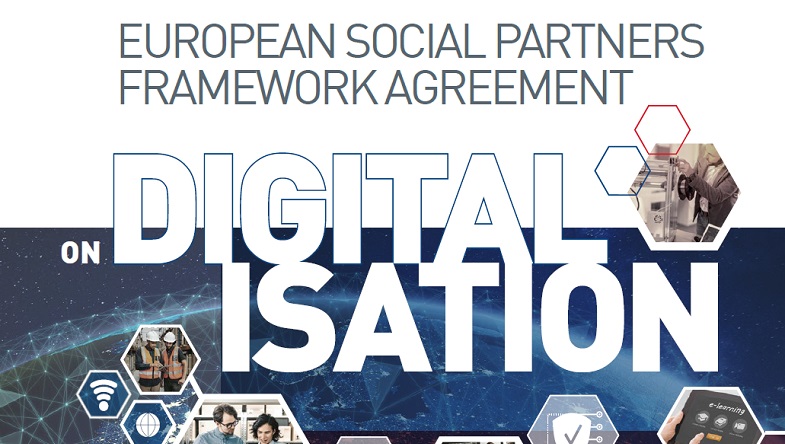
This Autonomous Agreement has been concluded by the European cross-sectoral social partners (BusinessEurope, SMEunited, CEEP and the ETUC) in June 2020 and applies to the whole of the EU/EEA.

The Dutch government sent in June 2020 a request for advice to the Social and Economic Council (SER) regarding workplace innovation.

The European Pillar of Social Rights is the social strategy to make sure that the transitions of climate-neutrality, digitalisation and demographic change, as well as the recovery from the COVID-19 pandemic, are socially fair and just.

Social Innovation and Workplace Innovation will get now more visibility, support and funding to move forward to new and better practices in Germany.

The Corona crisis hit hard, both at home and at work. Suddenly, employees had to work from home as much as possible whilst their organisations did not have the time to properly prepare for this change.

Workplace innovation and new product development in Vietnamese manufacturing small and medium-sized enterprises.

European Works Council at Solvay concludes a ‘Global Framework Agreement on Digital Transformation’.
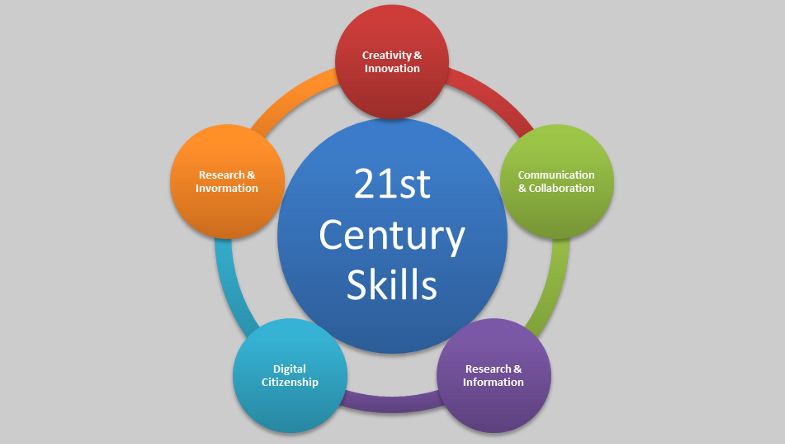
At the ‘Skills for industry conference’ in June 2019 Joost Korte, Director General for Employment, Social Affairs and Inclusion at the European Commission stressed that “Europe needs a skills revolution.