Latest Issue: European Journal of Workplace Innovation
The value of this issue lies in keeping these questions grounded. It brings workplace innovation close to the settings in which it is attempted, negotiated and revised.

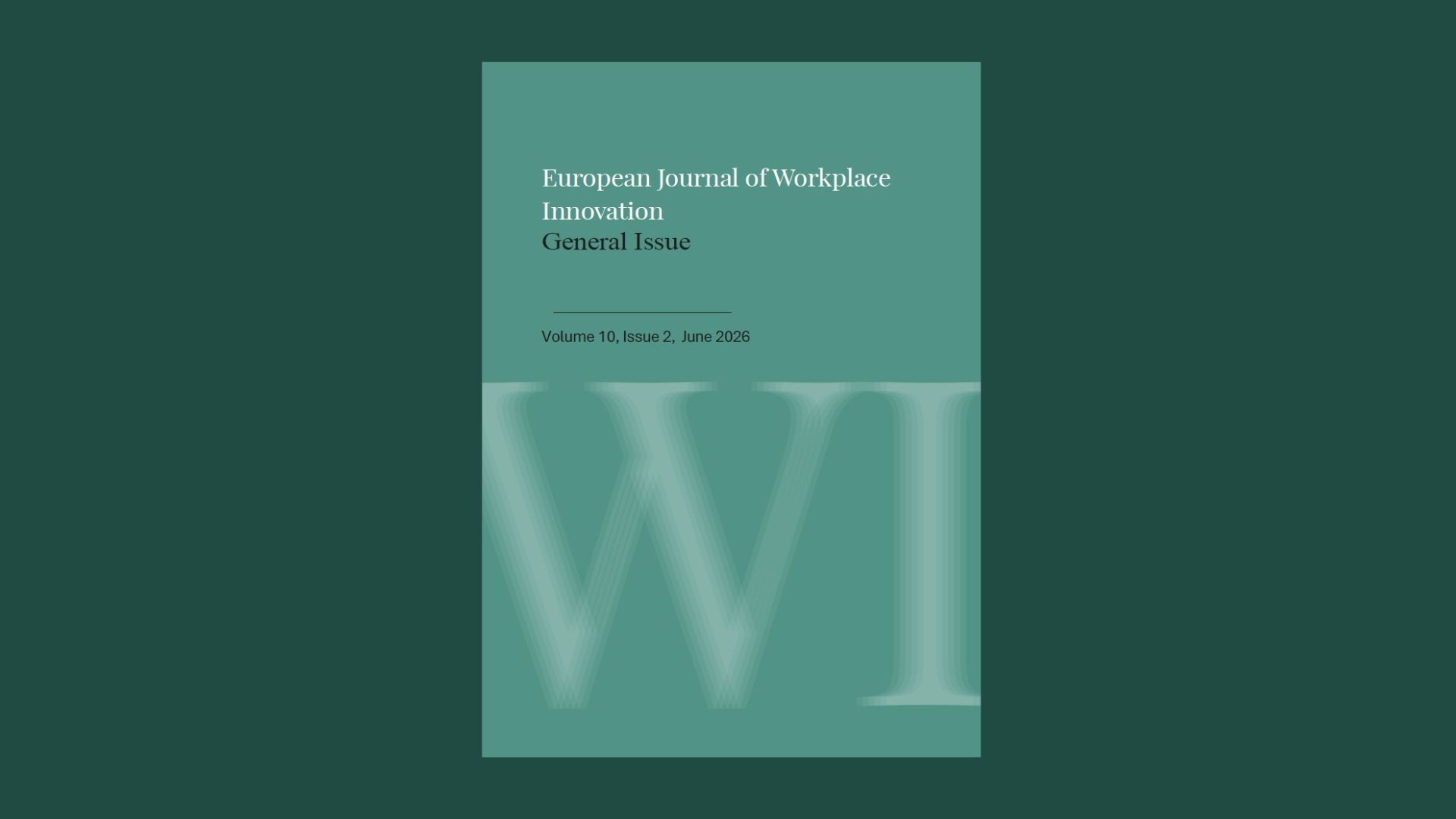
The value of this issue lies in keeping these questions grounded. It brings workplace innovation close to the settings in which it is attempted, negotiated and revised.

Beyond factories, chips and critical raw materials, the decisive question is whether our workplaces can learn faster, innovate continuously, and deliver both productivity and quality jobs.
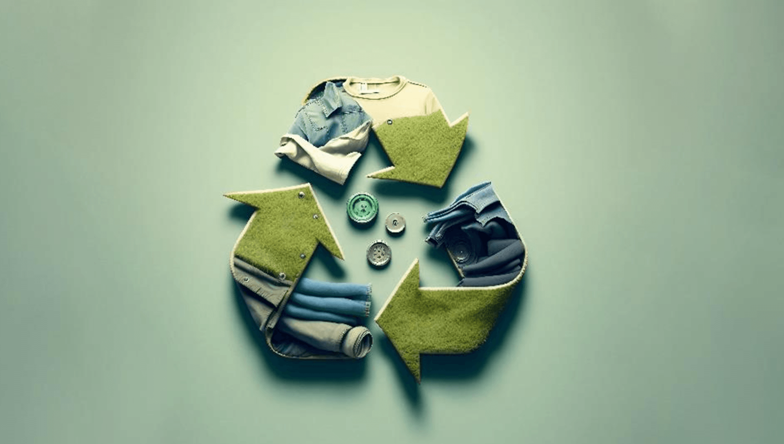
The research project RETRAKT aims to make the transformation of the textile industry towards a circular economy sustainable and resilient.
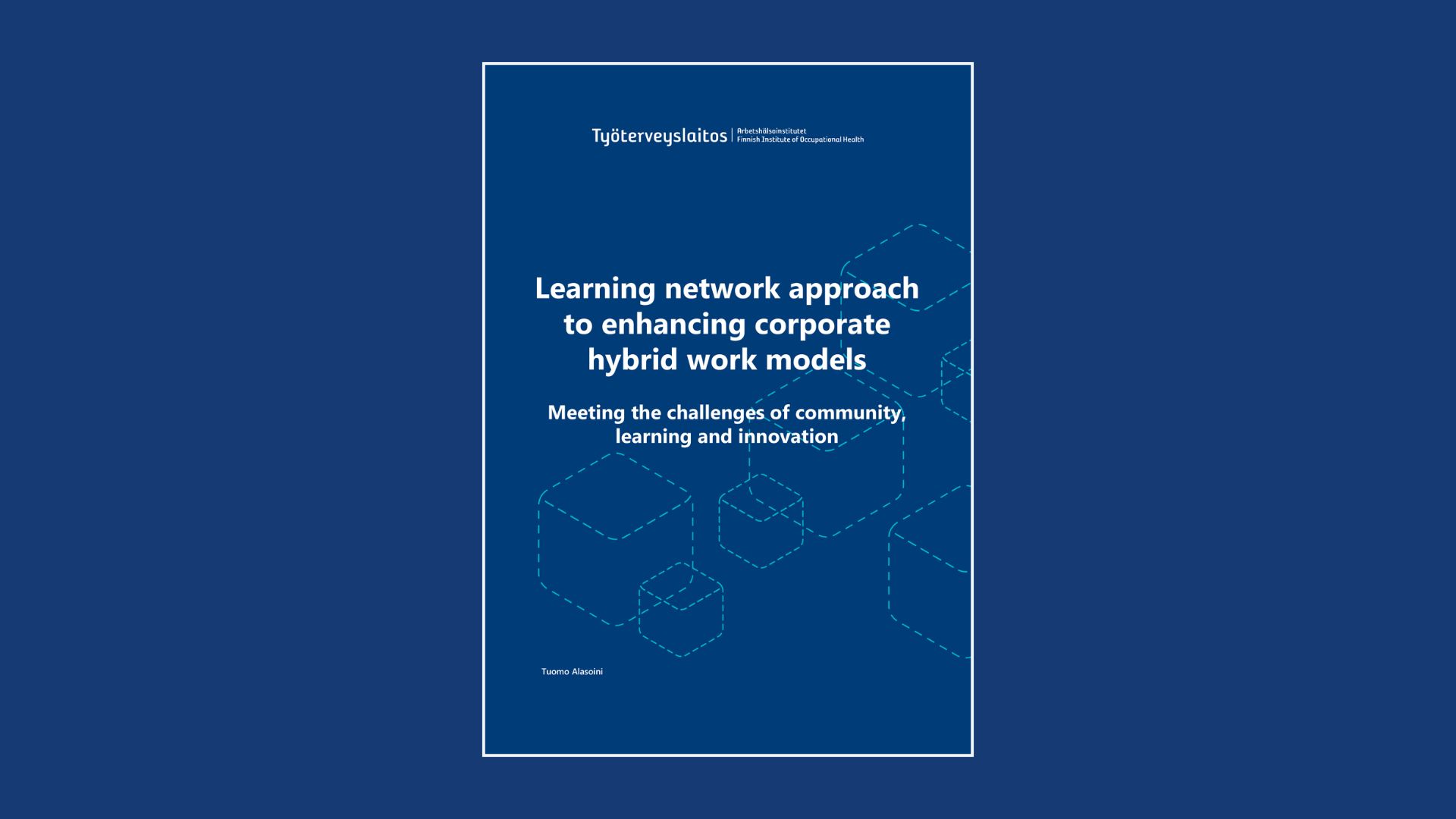
This paper presents the learning network approach adopted by the CHILL research project (2025–2028) jointly conducted by the Finnish Institute of Occupational Health and Turku School of Economics.
The SONATA project is investigating the health and wellbeing benefits of adaptive architectural technologies for those most vulnerable to poor workspace design – the workers themselves.
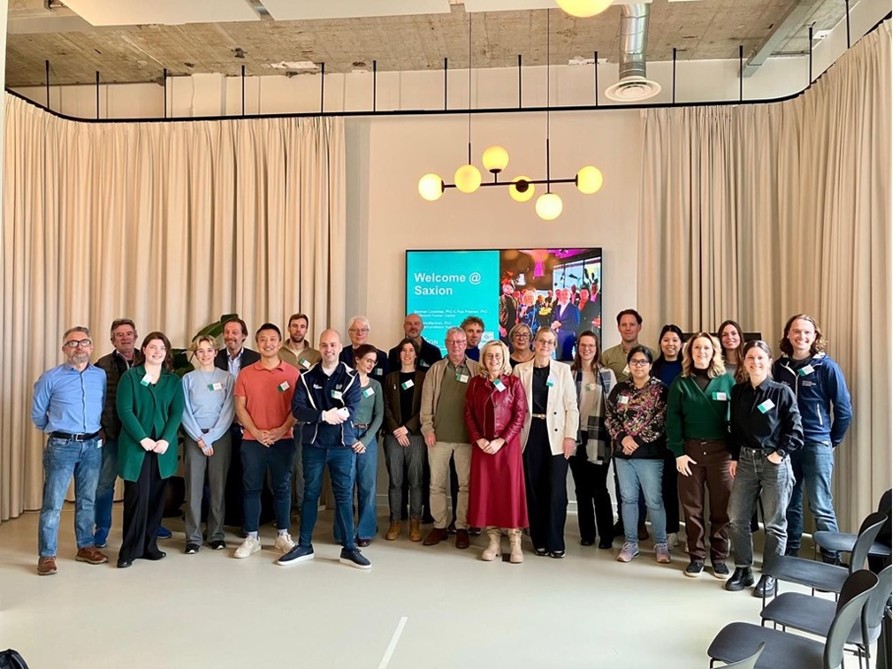
In 2024, EUWIN, TNO, Katapult, Baandomein, de Sprong Human Capital Innovatie, and Saxion University joined forces to boost workplace innovation activities together with SMEs in the Netherlands and Belgium.

How can industrial work remain sustainable over longer careers, while adapting to technological change, demographic ageing and rising work intensity?

Despite years of investment in employee voice initiatives and participation frameworks, many organisations still struggle with something fundamental: teams remain cautious, harmony trumps honesty, and creativity stalls in the face of unspoken issues.

With generative AI (Gen AI), it is possible to renew an organisation extensively and fundamentally. The question ‘What does Gen AI mean for my organisation?’ is occupying many companies and institutions.
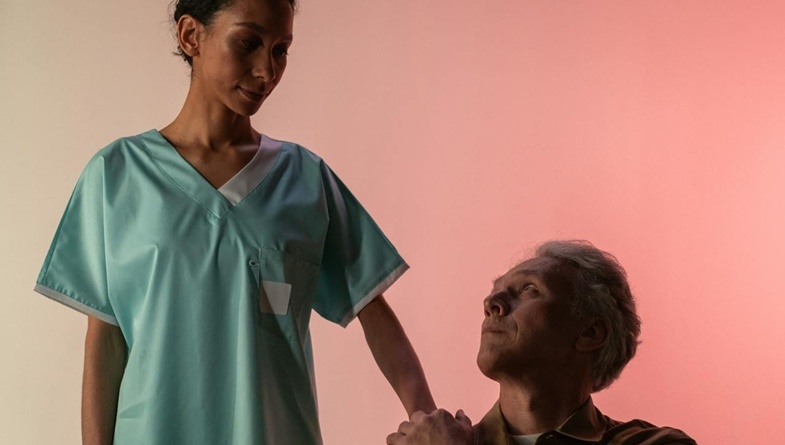
Healthcare systems worldwide, particularly those focused on long-term care, are under increasing pressure. Addressing these challenges requires new care and collaboration models that respond to evolving needs while supporting workable conditions for healthcare professionals.