Ten Years of EUWIN – What Next?
EUWIN (the European Workplace Innovation Network) was created by the European Commission (DG GROW) in January 2013. So where are we now, where are we going . . . and how can you be part of it?

EUWIN (the European Workplace Innovation Network) was created by the European Commission (DG GROW) in January 2013. So where are we now, where are we going . . . and how can you be part of it?
BRIDGES 5.0, an EU Horizon project focused on building synergies between digital potential and human potential to achieve better outcomes for businesses, workers, society and the planet.

One remarkably constant figure in Swedish Working Life Research for over 30 years has been Kennetn Abrahamsson, who has organised and financed research in the field on behalf of Swedish government agencies.
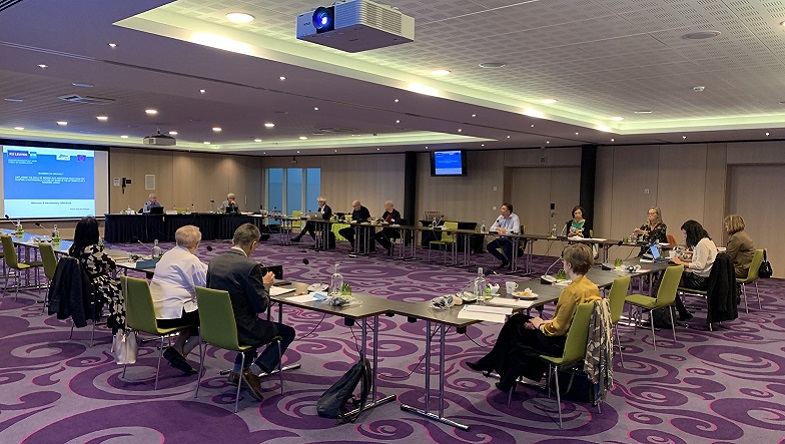
Before the COVID-19 pandemic there were already many discussions about the future of work in times of digital transformation.

Workplace innovation (WPI) has many definitions, but what they have in common is being a driver for the ‘advancement of work’ and contributing to a ‘good jobs strategy’.

The current crisis has revealed how critical innovation practices are for improving companies’ resilience to adverse market conditions and tackling periods of transformation.
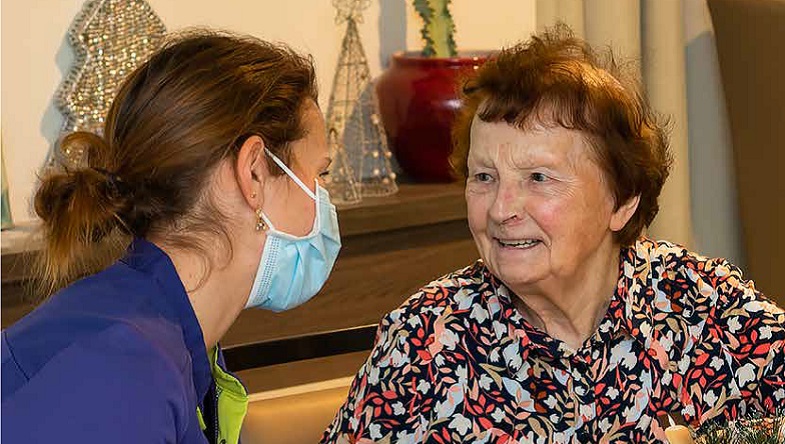
Innovative Work Organisation in Residential Care Centres (IWO in RCC) simultaneously tackles quality of care and workable work (the Flemish expression for job quality), does this together with employees and their supervisors, and is aimed at the entire sector.

Making sure that work has no detrimental effect on workers’ mental and physical health, is a cornerstone of job quality.

International virtual exchange of experience between science and practice. Comparative approaches and instruments for leadership development in the digital age
WORKPLACE INNOVATION: EUROPE'S COMPETITIVE EDGE - A manifesto for enhanced performance and working lives.